2026 Conference Interest Sessions
Closing the Financial Gap in Your Choral Program
Irene Messoloras
Imagine a choral program where funding supports—not limits—your vision, access, and impact. As conductors, we aim to provide meaningful, inclusive experiences for all students, but budget challenges often stand in the way. Whether it’s paying for an accompanist, purchasing scores, or planning a tour, financial pressure is constant. In this session, Irene Messoloras offers real-world strategies drawn from their respective work in choral advancement. Topics include grassroots campaigns, donor tiers, grant writing, and cultivating lasting support. Learn how to build community partnerships, engage students in stewardship, and shift from scarcity to sustainability. Leave empowered with the tools to turn dreams into real opportunities—for every voice in your choir.
Irene Messoloras maintains an active career as a sought-after conductor, clinician, and adjudicator, leading ensembles in powerful and dynamic performances across the United States, Europe, and Asia. Dr. Messoloras serves as Director of Choral Activities at the University of California, Irvine and conducts the London-based professional choir Meridian. Under her baton, Messoloras’ professional, university, and community choirs have performed on some of the world’s most prestigious stages. Her ensembles have been featured at the American Choral Directors Association (ACDA) National Conference in both 2021 and 2023, with major appearances at Carnegie Hall, Lincoln Center, and Beijing Concert Hall, as well as national commercial campaigns and professional music video productions. Her ensemble’s work is represented by Signum Records and can be heard on all major streaming platforms.
Making Admin Your Biggest Choir Fan
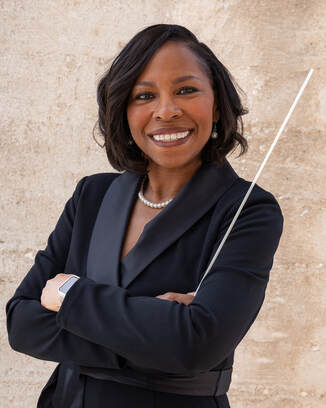
Kellori Dower, Iris Levine and Elise Hepworth
Building strong relationships with administrators is essential for choral directors navigating K-12 and higher education. This interactive session provides key strategies, practical “dos and don’ts,” and expert advice on advocating for programs, securing resources, and achieving tenure—all while avoiding unnecessary conflict.
Led by experienced administrators who are also choral directors, this discussion offers real-world insights on working within institutional systems. Attendees can submit questions—anonymously if preferred—for live, on-the-spot answers from the panel.
The session aims to equip choral directors with the tools needed to foster productive administrator relationships, advocate effectively, and create sustainable, thriving programs for their students.
Dr. Kellori Dower is the Dean of Visual and Performing Arts at Cypress College in Cypress, California. She was the director of two award-winning high school choral music programs prior to serving as Director of Choral Activities at the collegiate level. Past appointments have also included High School Principal, Asst. Principal and District Arts Administrator positions.
She is a past recipient of the Outstanding Music Educator Award for the California Music Educators Association. Dr. Dower is published through Hal Leonard and continues to conduct honor choirs nationally. She currently serves as the Director of DEIAB for the California Choral Directors Assn. and is the immediate past president of the National Collegiate Choral Organization.
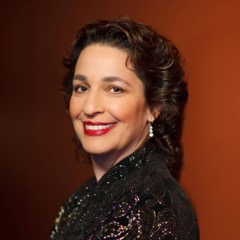
Dr. Iris S. Levine, a nationally recognized choral conductor, is the founder and artistic director of VOX Femina Los Angeles, L.A.’s premier women’s chorus. Under her leadership, VOX Femina has gained national prominence, performing at ACDA conventions, Chorus America conferences, and GALA Chorus events.
Dr. Levine is faculty emerita at Cal Poly Pomona, where she served as Director of Choral Activities, Dean of the College of Letters, Arts, and Social Sciences, Interim Dean of the College of Education and Integrative Studies, and Provost and Vice President for Academic Affairs. She conducted the Kellogg Chamber Singers and taught conducting and music education courses.
Dr. Levine holds a Doctorate in Choral Music from USC and a Master of Music in Choral Conducting from Temple University. A leader in ACDA, she has served as state, regional, and national chair for Women’s Choruses.
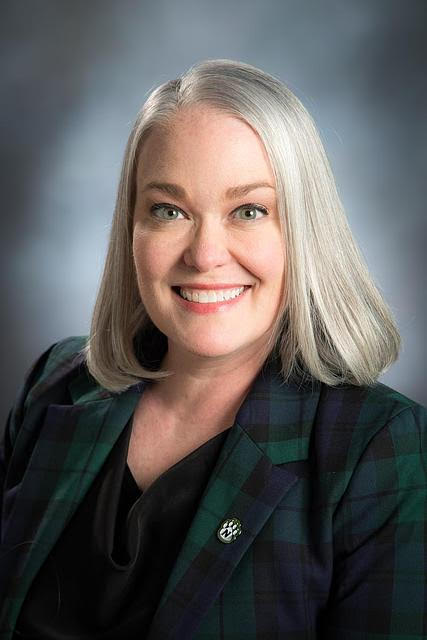
Dr. Elise Hepworth is the Dean of the College of Arts, Communication, and Social Sciences at Northwest Missouri State University. Before her appointment, she spent a decade at Missouri Western State University as a tenured professor leading the choral music program and later served as Assistant Vice President and Vice Provost for Academic Affairs. She previously taught at Wayne State College in Nebraska.
Dr. Hepworth holds degrees from Northwest Missouri State University (B.S.Ed.), UMKC Conservatory (M.M.E.), the University of Mississippi (D.A.), and the New Zealand School of Music (G.Dip.). She is nationally certified in Orff Schulwerk and Zoltán Kodály pedagogies and remains an active guest conductor, clinician, and vocalist throughout the Midwest.
She resides in Saint Joseph, Missouri, with her husband, Matt, and their three cats, Murphy, Meredith, and Maggie.
She is a past recipient of the Outstanding Music Educator Award for the California Music Educators Association. Dr. Dower is published through Hal Leonard and continues to conduct honor choirs nationally. She currently serves as the Director of DEIAB for the California Choral Directors Assn. and is the immediate past president of the National Collegiate Choral Organization.
Vocal Pedagogy for Choirs: Keep the Magic, Lose the Myth
Aaron Humble
Better singers make better choirs. We know this, but so often it’s hard to look beyond the notes and rhythms in the little time we have. Some conductors are highly trained singers and some are not, but all conductors face the same challenge of using phrases that mean something to us, but perhaps, mean nothing to our choirs. Voice teaching is both an art and a science, but finding ways to incorporate more science/reality-based pedagogy into the choral rehearsal will only make the choir sound better and the singers healthier singers.
This session will examine the basic elements of singing (including posture, breathing, phonation, resonance, and diction/articulation) to review what is actually happening, what we can actually feel, and give conductors tips and strategies to convey this information to the choir within warmups, voice building, and rehearsals.
Led by experienced administrators who are also choral directors, this discussion offers real-world insights on working within institutional systems. Attendees can submit questions—anonymously if preferred—for live, on-the-spot answers from the panel.
The session aims to equip choral directors with the tools needed to foster productive administrator relationships, advocate effectively, and create sustainable, thriving programs for their students.
Described as remarkably virtuosic by the Columbus Republic and transcendent by the Daytona Beach News Journal, Grammy-nominated tenor and conductor Aaron Humble has enjoyed solo appearances with the St. Paul Chamber Orchestra, The Columbus Philharmonic, and the Boston Pops and chamber music appearances at the Kennedy Center, Lincoln Center, The Library of Congress, Wolf Trap, and The Chautauqua Institute. During his tenure with Cantus, Aaron sang nearly 1000 concerts and recorded 10 albums with one of the nation’s premier vocal ensembles. Aaron continues to sing with the Santa Fe Desert Chorale, Tucson’s Grammy-nominated True Concord, and Bach Collegium San Diego. Aaron serves as an Assistant Professor of Music in Vocal and Choral Music CSU San Marcos, conducts the Chancel Choir at Foothills United Methodist Church, and leads the Zimriyah Chorale at Congregation Beth Israel in San Diego.
Harmonizing Through Hands: American Sign Language in the Choral Music
Jacob Boland
Discover the power of American Sign Language (ASL) in choral music as a bridge to inclusivity and artistic expression. This session explores the use of ASL interpreters in choral performances, inspired by the presenter’s personal experience as a partially deaf individual. Learn how ASL connects those with hearing disabilities to music, offering a visual and emotional pathway to understanding. Gain practical strategies for integrating ASL into your choral programs to create a richer, more inclusive experience for audiences and performers alike.
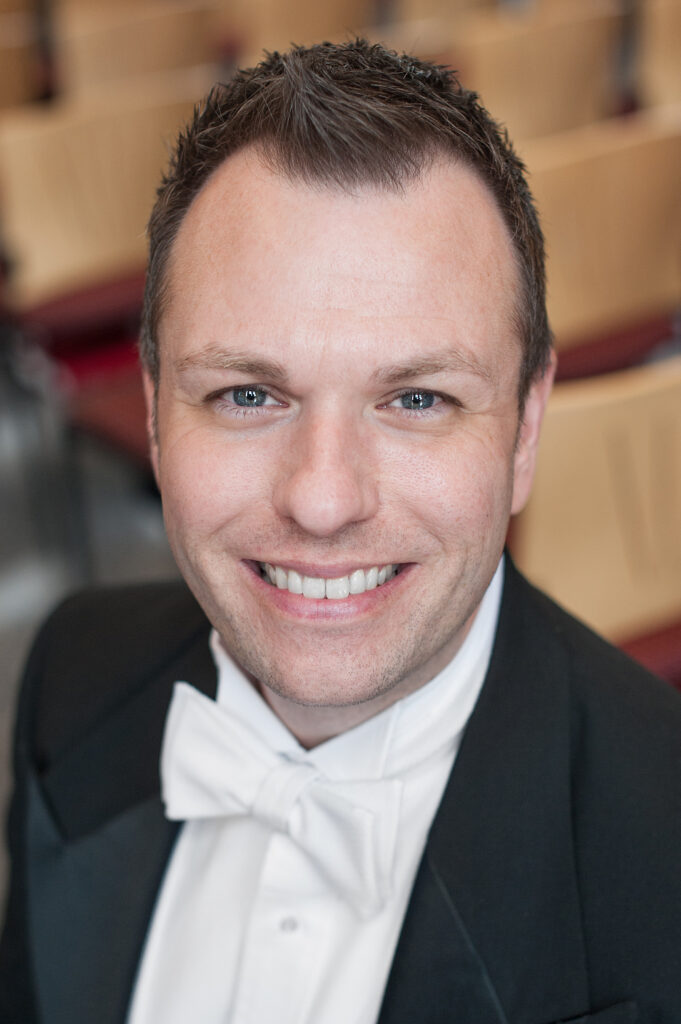
Born on August 7, 2001, in Khabarovsk, Russia, Jacob Boland is a passionate musician and advocate for accessibility in the arts. Diagnosed with Autism Spectrum Disorder (ASD) at 8, Jacob faced social challenges, finding refuge in music. In 2021, he developed permanent hearing loss due to COVID-19, which transformed his relationship with sound. Rather than seeing this as a setback, he embraced it as a source of strength, exploring music through vibrations and emotional resonance. Jacob took a break from his studies at California State University, Long Beach, to adapt to his new reality as a hard-of-hearing musician. His compositions challenge traditional notions of music, emphasizing inclusivity and sensory experiences. As a conductor, he fosters collaboration and innovation, mentoring fellow musicians with disabilities. Jacob aims to create a more inclusive music industry.
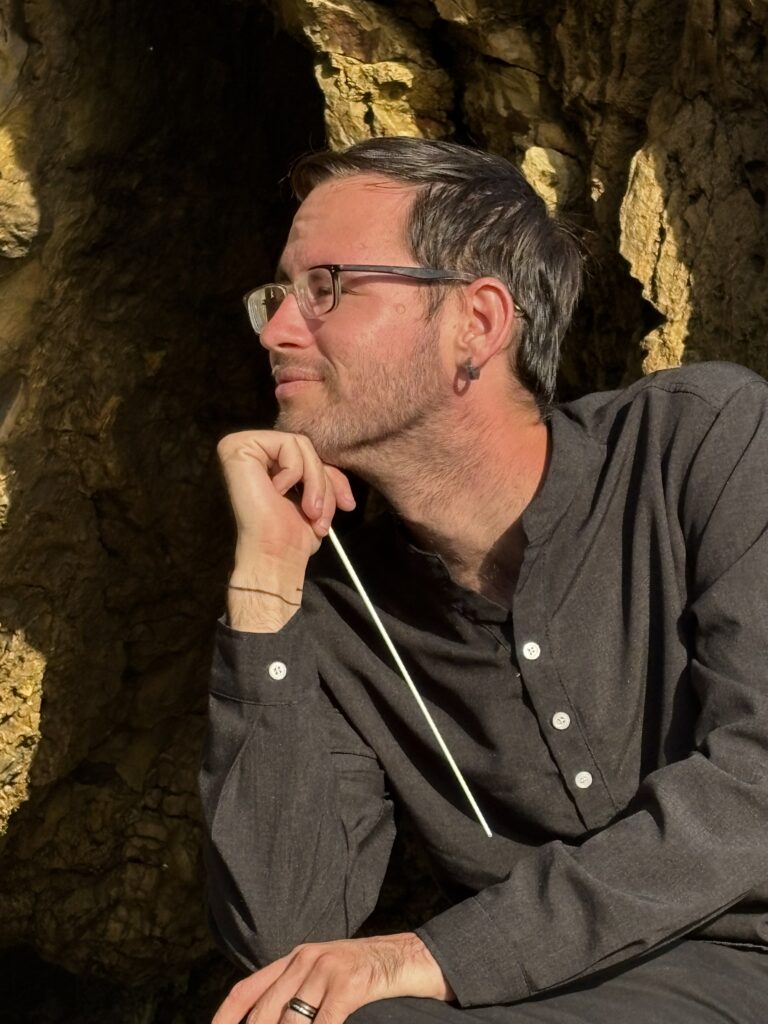
A Tapestry of Chinese and Taiwanese Choral Voices
Yu-Feng Huang
Discover the vibrancy of Chinese and Taiwanese choral music through this culturally enriching session. Dr. Yu-Feng Huang offers a historical and practical exploration of repertoire, tonal language challenges, and performance practices in works by notable Chinese-speaking composers. Attendees will receive curated playlists, score access, and strategies for introducing this music to English-speaking choirs. Ideal for conductors seeking fresh, authentic repertoire that reflects today’s global choral community.
Dr. Yu-Feng Huang is a Taiwanese choral conductor and scholar committed to bridging cultures through music. He holds a DMA in Choral Conducting from the University of Utah and has over a decade of experience directing university and community choirs in Taiwan. His research supports non-Chinese-speaking choirs in performing Chinese choral works authentically. As founder of the Chinese Choral Repertoire Promotion Project, Dr. Huang promotes access to diverse repertoire and fosters cross-cultural engagement. He currently directs the Salt Lake Chinese Choir and has introduced the richness of Chinese and Taiwanese choral music to audiences across the U.S.
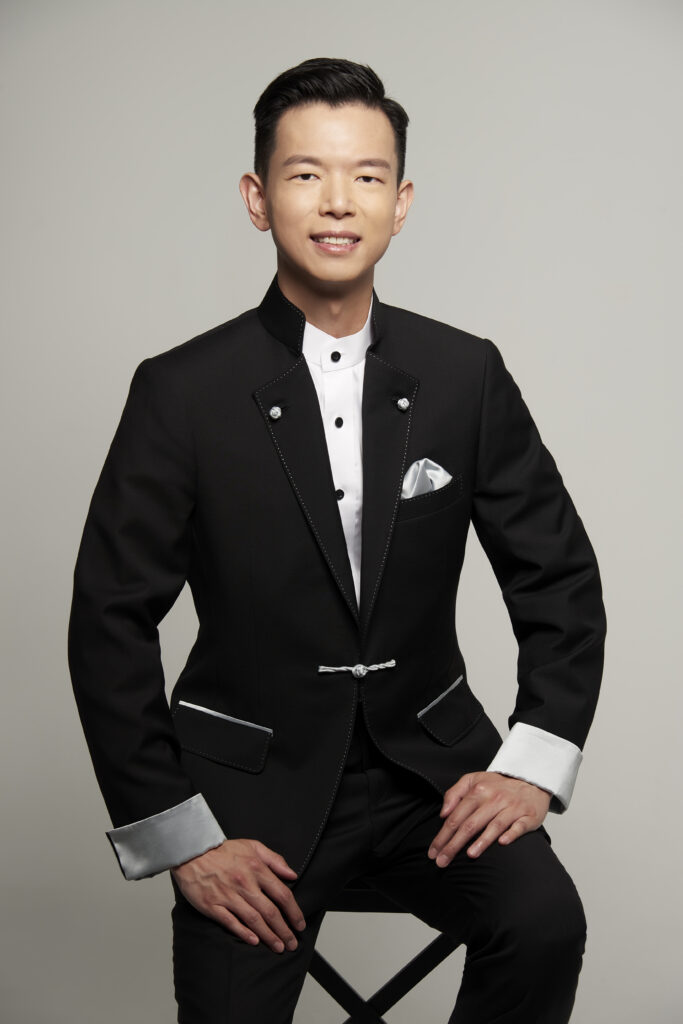
Due Diligence: First Steps and Ethical Engagement with Native Peoples and Music
Thomas Goedecke and Alyssa Beltran
Choral educators are often asked to include diverse voices, but “due diligence” is not always part of the equation. In this session, we’ll explore what it means to ethically engage with Native American music. Dr. Thomas Goedecke and Ms. Alyssa Beltran (Pyramid Lake Paiute) will share how to navigate the complex layers of colonialism, appropriation, and misrepresentation in Native music programming. We’ll also examine how to build authentic relationships with Native communities, ensuring that your programming goes beyond tokenism. Attendees will leave with practical strategies for respecting Native music, creating space for Native voices, and ensuring that your programming benefits Native peoples.
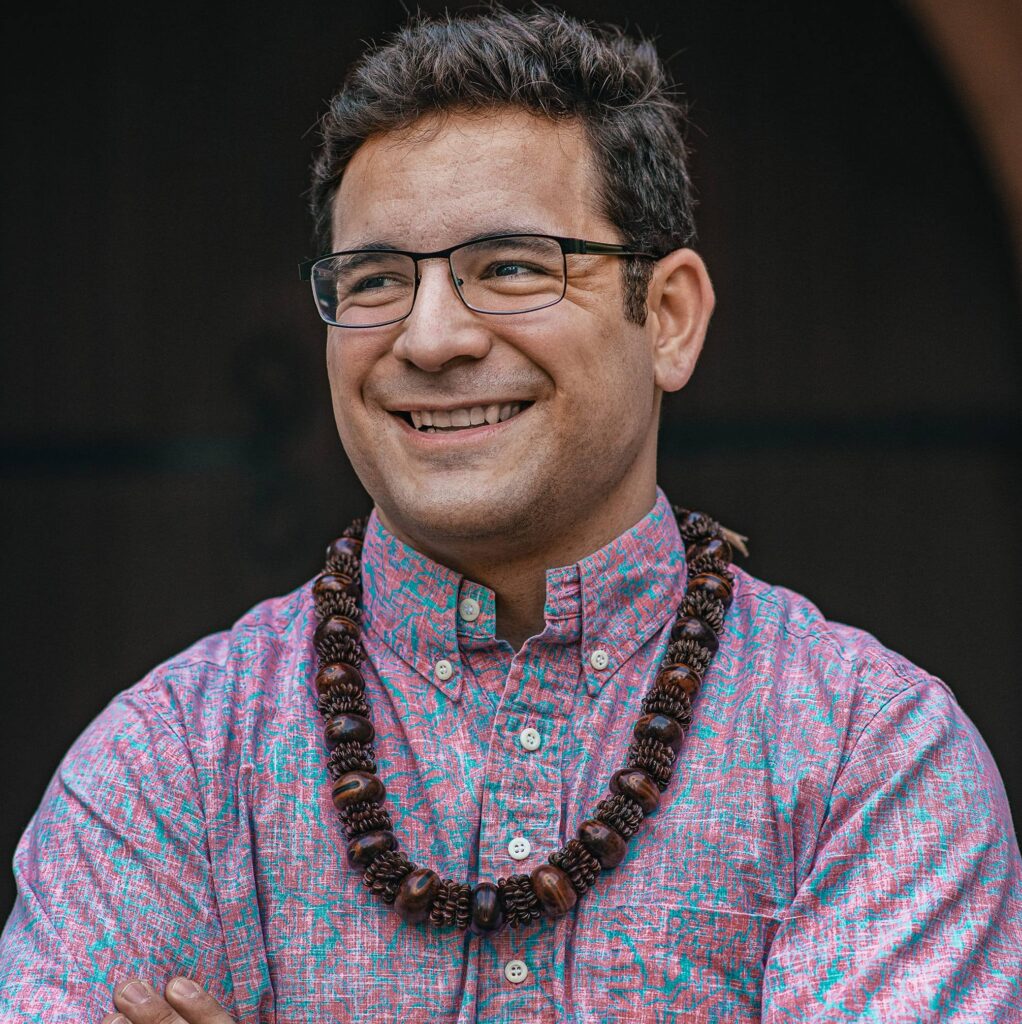
Thomas Goedecke (PhD, Music Composition), based on Maui, Hawaiʻi, is most known for his work intersecting sound worlds from western and Pacific non-western voices. He specifically finds joy in working with indigenous languages of the Pacific and combining them with traditionally western ensembles, advocating for the proliferation and celebration of Polynesian, Asia-Pacific, and American indigenous art. Dr. Goedecke is currently a tenure-track instructor at the University of Hawaiʻi Maui College, where he directs the College Chorus and Hawaiian Chorus and teaches in the Institute of Hawaiian Music and Music Studies programs. As a composer, conductor, and educator, he is dedicated to preserving and promoting these cultural traditions through academic research and community-based projects including Nā Haku Mele, a yearly call for scores for new works in ʻōlelo Hawaiʻi.
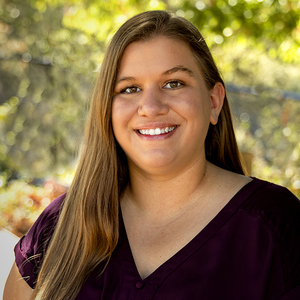
Alyssa Beltran (Pyramid Lake Paiute) is a Native music educator, scholar, and Powwow dancer based in Santa Cruz, California. She currently serves as the Director of Choral Activities at Pacific Collegiate Charter School, teaching Choir and Intro to Performing Arts to students in grades 7–12. Alyssa also serves as the vocal director for the school’s spring musical, working alongside the department’s theater, instrumental music, and dance educators. She is pursuing a Master of Arts in Secondary Education at San José State University, where she earned her Bachelor of Music in Music Education and minor in Native American studies Magna cum Laude. Alyssa’s teaching experience spans concert and jazz choirs, concert and jazz bands, strings, performing arts, and general music. Alyssa is committed to fostering inclusive musical environments full of meaningful collaborations.
Composing for Your Choir: Writing with Singers in Mind
Kate Crellin and MaryAnne Muglia Smith
This session explores effective strategies for composing and arranging music tailored to the unique strengths of your ensemble. Led by choral composers and arrangers MaryAnne Muglia Smith and Kate Crellin, the session will cover techniques for assessing vocal abilities, balancing accessibility with challenge, and crafting engaging textures that enhance ensemble cohesion. Attendees will gain insights into the commissioning process, hear examples of successful custom compositions, and explore ways to adapt existing works for specific groups. Interactive demonstrations will illustrate practical tools to create music that not only suits their singers but also elevates their artistry.
Kate Crellin (she/her) is a vocalist, arranger, composer, and educator. She has BAs in Choral Music and Law from USC and a Masters in Music from Queens’ College, Cambridge. Kate is the Choir Director at Mira Costa High School and Manhattan Beach Middle School, and the Director of Music Ministries at the Manhattan Beach Community Church. Additionally, Kate is on staff at A Cappella Academy.
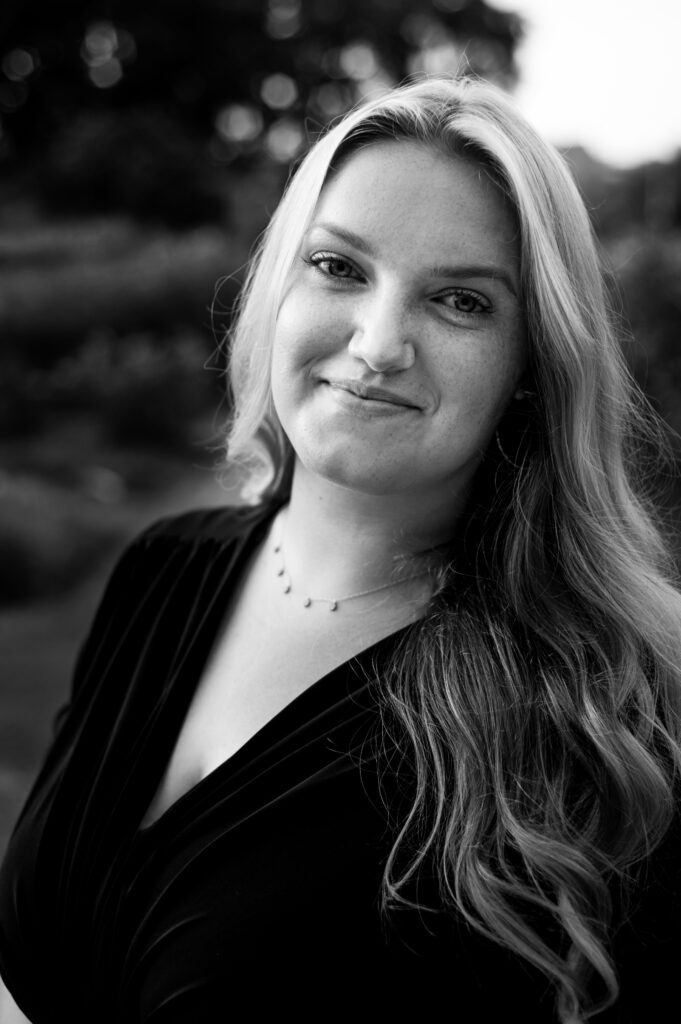
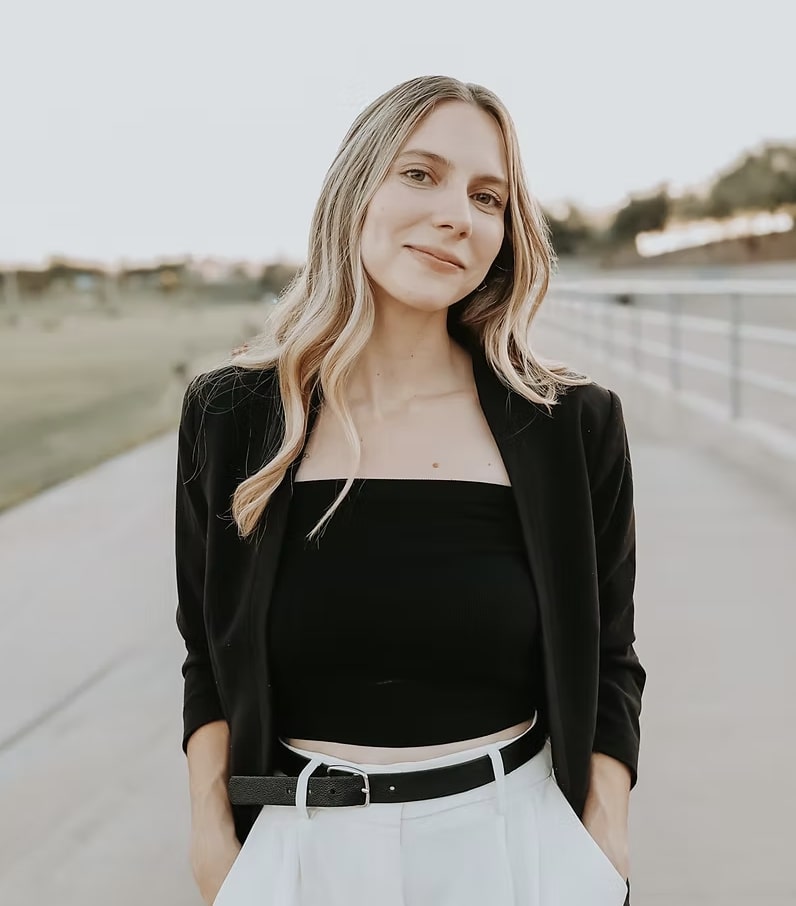
MaryAnne Muglia is an award-winning composer, singer, and educator known for creating music that is both melodically rich and emotionally impactful. Based in Arizona, she blends contemporary and classical influences to craft compositions and arrangements that resonate deeply with performers and audiences alike. Her enduring love for harmony and piano, which first inspired her to compose, remains at the core of her artistry.
MaryAnne’s music has been performed by a wide range of ensembles, from high school choirs to professional groups, and her work is celebrated for its ability to foster meaningful connections. She enjoys collaborating with musicians of all levels, crafting music that speaks to the heart while challenging and inspiring its performers.
Creating Artistry from Lead Sheets and Unison Singing
Jess Edelbrock and Nicky Manlove
A vast and diverse repertoire exists beyond traditional octavo formats, offering accessible and engaging options for students of all ages. These flexible scores expand programming possibilities and empower students to play an active role in the creative process.
This interactive session will explore strategies for elevating unison singing, interpreting lead sheets, and crafting collaborative arrangements from short melodies that bring music to life in fresh and meaningful ways. Whether you’re looking to diversify your programming or encourage student-led musicianship, you’ll gain practical techniques for elementary, middle, and high school classrooms–and beyond!
Participants will leave with a wealth of repertoire sources—many available for free—as well as innovative ideas for transforming simple charts into expressive, collaborative performances that foster creativity and confidence.
Jess Edelbrock is the Director of Operations at the Tucson Girls Chorus, overseeing all programming and strategy in partnership with Dr. Marcela Molina. She also directs TGC ensembles spanning grades K-12.
Jess earned a B.M. in Choral Education from Northern Arizona University and an MM in Choral Conducting from Michigan State University.
In Spring 2023, she was appointed Adjunct Professor of Music Education at the University of Arizona Fred Fox School of Music. Jess currently serves on the Arizona Choral Arts Association board and as the Youth R&R Chair for AZACDA. She is a frequent presenter at state conferences, and a collaborative pianist for festival choirs–most recently accompanying the National ACDA 5-7 Treble Honor Choir. Under Jess’ direction, the TGC Bumblebees performed at the 2022 ACDA National C&YCC Retreat–the youngest choir to be invited to perform at a national ACDA event.

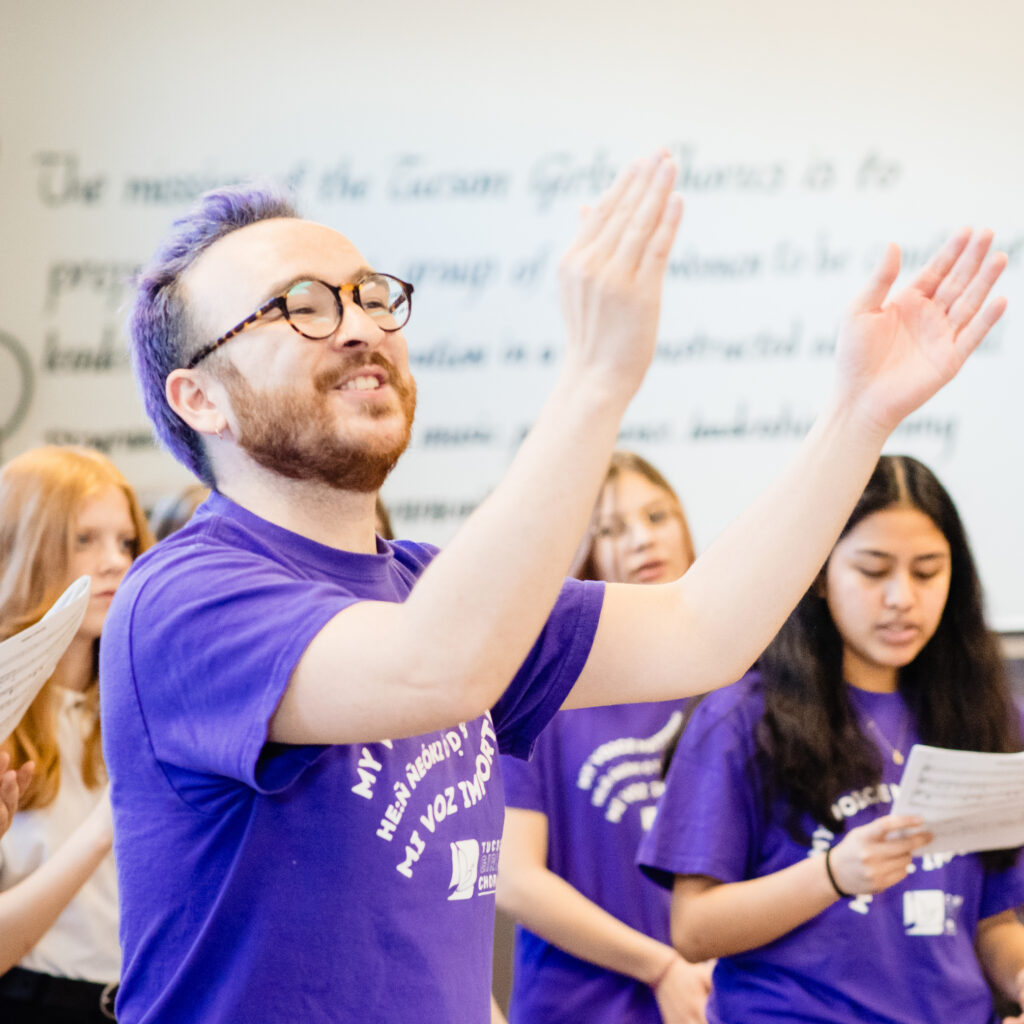
Nicky Manlove (they/them pronouns) is the Community Engagement Director for the Tucson Girls Chorus, where they also conduct the Jubilate Choir and Las Estrellas at Prince Elementary, and accompany the Bumblebee Singers and Mariposa Singers.
Nicky is a committed advocate of equity-centered and liberatory choral practice, and supports a number of justice-focused choral initiatives nationally. Nicky’s research has been featured at national conferences for ACDA, Chorus America, and Early Music America. Nicky is the chair of DEI for the ACDA Western, has served on the ACDA National Diversity Initiative Committee’s Task Force for Transgender Justice, as well as equity-based committees for ACDA Western Division, Early Music America, GALA Choruses, and the Presbyterian Association of Musicians.
Nicky holds degrees from Seattle University and the University of Arizona.
Building Literacy Through Play
Amanda Goldberg
Few elements speak to the deficiency of the American education system like our country’s diminishing rates of literacy, which is affecting rates of music literacy, as well. Working under the influence of Drs. Gordon and Krueger, this session serves to provide educators with strategies to promote music literacy through play-based approaches. Focussing heavily on rhythmic, melodic, and tonal acquisition, attendees will learn activities to be employed with lower elementary to adult learners. Educators will learn how to use these games as assessment tools and provide students with a more expansive vocabulary to understand their literacy skills. Attendees will walk away with a comprehensive understanding of the spiral of teaching music literacy, the value of audiation, dictation, and improvisation in the learning process, and how to implement these strategies in their classroom through play.
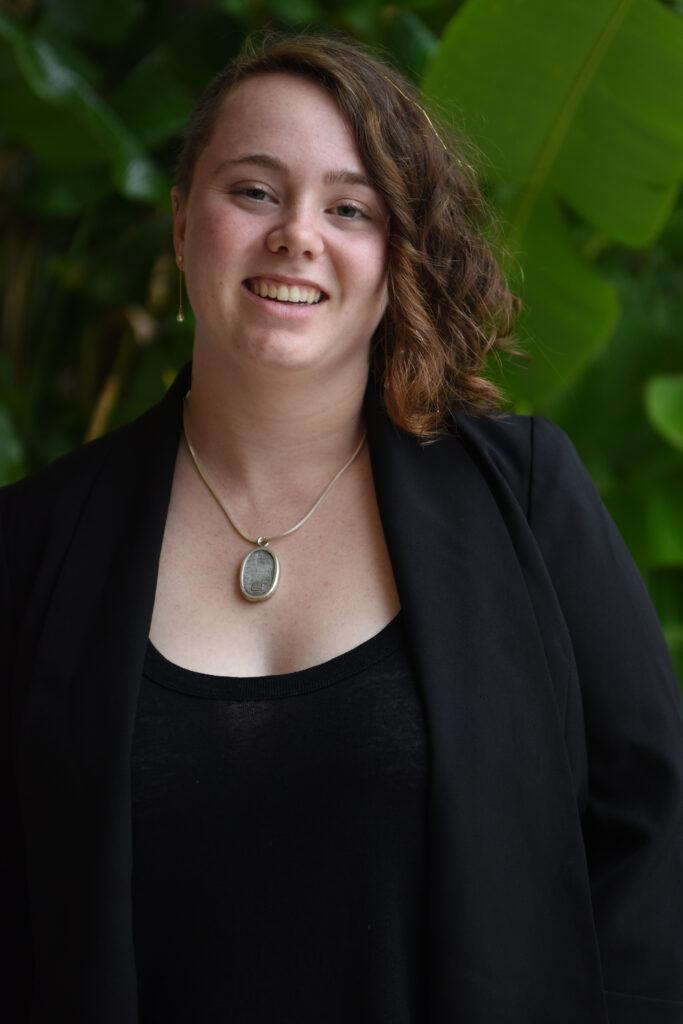
Amanda Goldberg is a music educator passionate about the use of singing to develop the whole person. She holds a BM in Music Education from St. Olaf College and is currently completing her MM in Choral Conducting at Michigan State University. She has worked on artistic staff at the Girl Choir of South Florida and as a middle school teacher in Palm Beach County, FL, where she piloted a program for Restorative Practices in the classroom. Presently, Amanda is the assistant director of Sistrum: Lansing Women’s Chorus and the music director of First Presbyterian Church of Holt. Her passions include treble music and ensembles, caramelized onions, and the film Titanic. She is an active member of ACDA and MSVMA.
Vocal Tone and Technique for Middle School Singers
Athena Mertes
This session will provide a comprehensive approach to developing vocal technique for choral singers, focusing on warm-ups, effective techniques, and metacognitive strategies to help students assess their own vocal progress. Attendees will learn methods to create a solid foundation for healthy, beautiful singing while emphasizing the importance of individual vocal technique. Many young singers struggle to view themselves as vocalists and often lack the skills needed for proper technique and healthy vocal habits. This session will guide educators in helping students balance ensemble work with individual vocal growth. Key elements such as posture, breath support, resonance, and vocal placement will be explored, with practical exercises to incorporate into daily practice.
Athena Mertes is the director of choirs at Thurman White Academy of the Performing Arts in Henderson, Nevada. A graduate of UNLV with a master’s in vocal performance and a bachelor’s in music education, Athena established the Choir Magnet Program at Thurman White Academy in 2016. She developed a curriculum offering various choral and vocal performance classes for approximately 400 students. Her Advanced Choir recently performed at the National ACDA Conference in Dallas and the Western Region ACDA Conference in Pasadena in 2024. In 2020, she received the Teacher of the Year award from Magnet Schools of America and is a national board-certified teacher. Athena, now in her 14th year teaching middle school choir, is passionate about helping students and educators unlock the true potential of middle school singers.
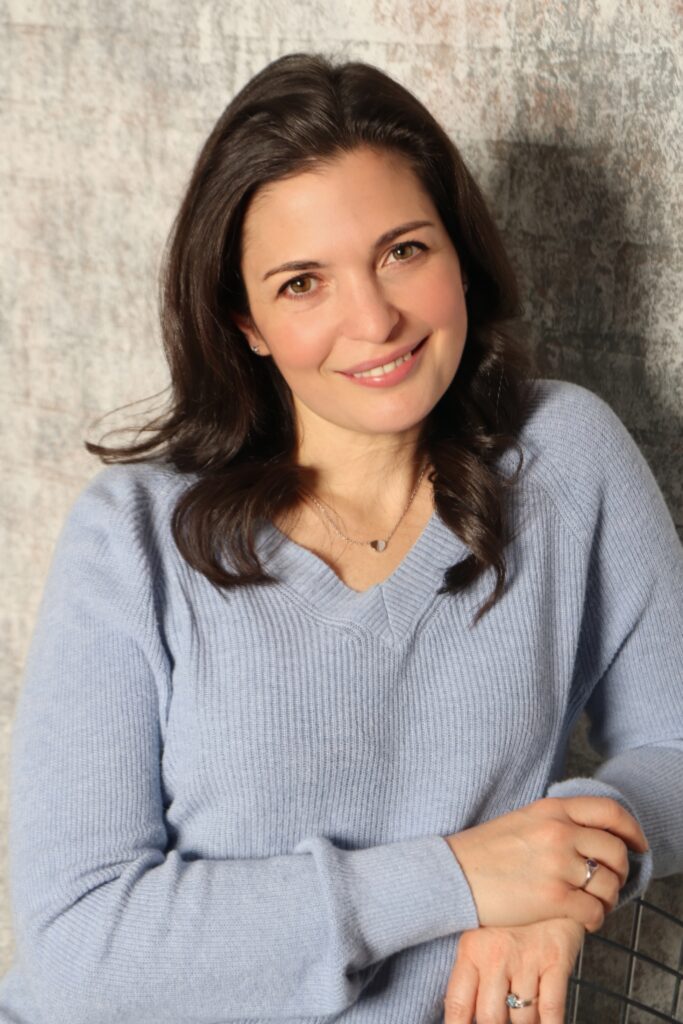
Sing With Us: Inside an Accessible Choral Rehearsal
Brandon Ellsworth
What does an accessible choir actually sound like? In this immersive session, participants will rehearse alongside students from an inclusive choral program to experience firsthand the strategies that make inclusive rehearsals work.
Through warmups, rehearsal activities, and accessible tools like AAC devices and visual schedules, attendees will participate in a real rehearsal built for access and belonging. A guided debrief will follow, offering practical takeaways and real-world strategies to adapt in your own classroom.
This is not a performance—it’s a shared rehearsal experience rooted in the belief that all singers deserve access to community and musical growth.
Brandon Ellsworth (he/they) is a choral director, adaptive music educator, and advocate for inclusion in music education. He teaches choir and adaptive general music at North Salinas High School, where he explores inclusive teaching practices through both traditional and adaptive ensemble settings.
His work focuses on rehearsal design through Universal Design for Learning (UDL) and the implementation of practical accommodations in school choral settings. His adaptive curriculum earned recognition with the 2025 CMEA Innovations in Music Education Award.
He holds a Bachelor of Music in Music Education from Westminster Choir College and is pursuing a Master of Music Education (Autism Concentration) at Boston Conservatory at Berklee. He is also the founder and director of SingAble, an accessible community choir based in San Jose, CA.
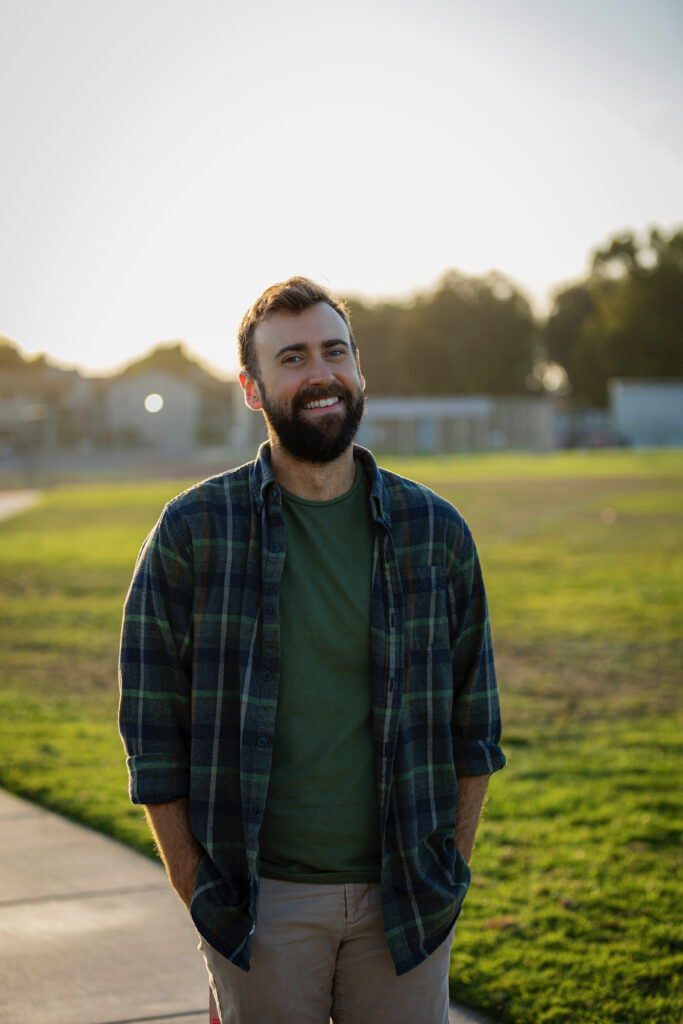
(re)sounding Joy: Best Choral Practices for Turbulent Times
Alyssa J. Cossey
Utilizing trauma-informed pedagogy and group-cohesion practices, this session addresses the unique challenges choral leaders face in these unprecedented times. By examining current (and past) choral practices, attendees will gain strategies to help reframe or replace potentially triggering or trauma-centered music. Additionally, we will explore current challenges and common shortcomings of DEI work in choral spaces. This session will conclude with a comprehensive list of accessible repertoire and resources that will help participants shift their choral practices and create more welcoming, safe, and joy-centered choral spaces.
Dr. Alyssa J. Cossey is a conductor, singer, educator, and scholar. She is a contributing author for a new textbook on women composers (edited by Hilary Apfelstadt), an inaugural member of Mirabai, and is currently serving as Interim Director of Choral Activities at Wellesley College. Before relocating to the East Coast, she was an Assistant Professor of Choral Music at the University of Arizona. Prior to that, she taught both middle and high school choir in Southern California for nearly a decade. Dr. Cossey holds degrees from Michigan State University, California State University, Fullerton, and California State Polytechnic University, Pomona. For additional information and resources, please visit www.alyssacossey.com.
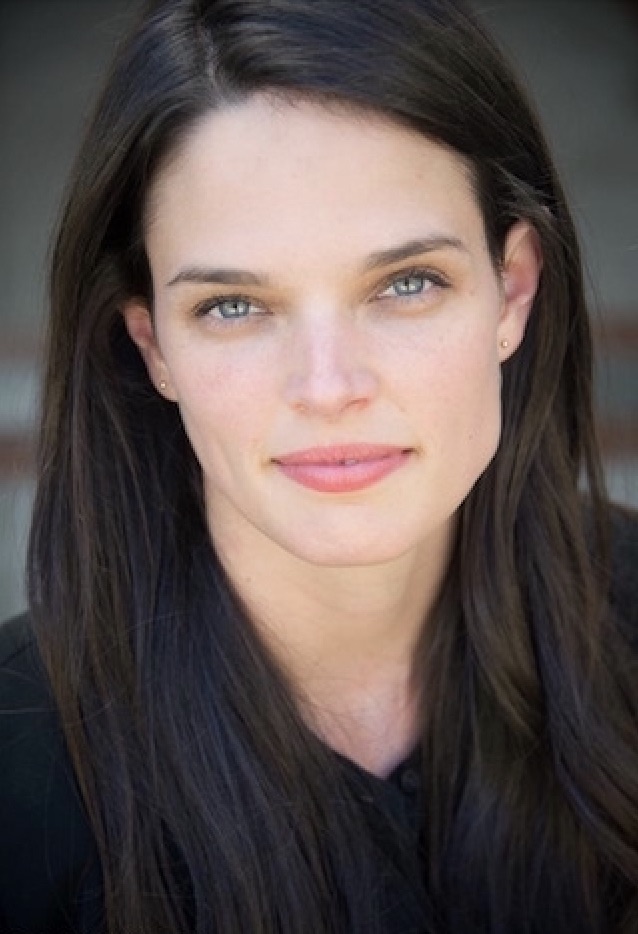
The Why and How of Student Leadership Programs
Bruce Rockwell
Strong student leadership can transform your ensembles, reduce director workload, and foster a positive, student-driven culture. This session explores the practical “nuts and bolts” for developing a leadership team that builds trust, accountability, and engagement, while preventing cliques, disengagement, negativity, and retention issues. Learn the benefits of selecting vs. electing leaders, explore different leadership structures, and discover practical strategies for goal-setting, retreats, and year-long leadership development. Whether you’re refining an existing leadership program or starting from scratch, you’ll gain actionable steps to empower student leaders and elevate your program’s success.
Bruce Rockwell is the choir director at College Park High School in Pleasant Hill, California. He has taught choir, piano and guitar at College Park for 15 years. Mr. Rockwell received his MM in Composition from the San Francisco Conservatory of Music, where her studied with Conrad Susa and David Conte, and his BA in Music from the University of California at Santa Cruz. He has written and presented a number of articles and conference sessions on various topics of interest to music educators.
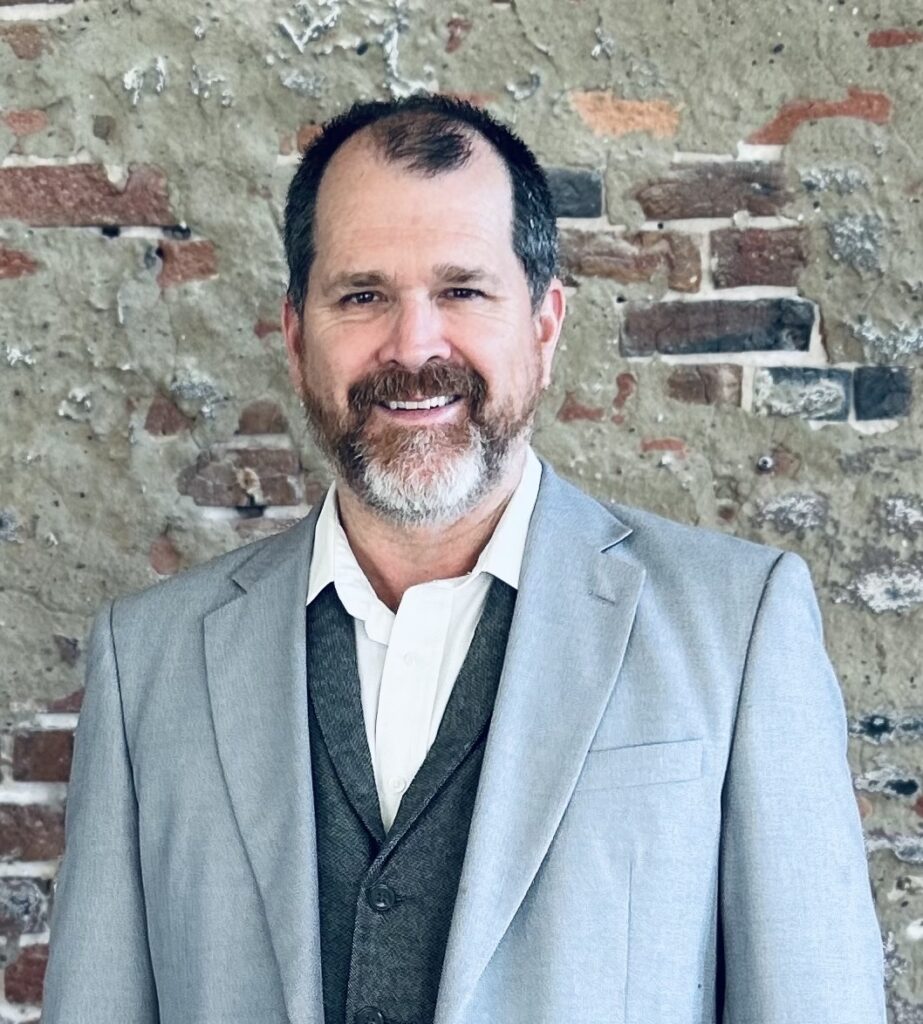
Transformative Vocal Techniques Your Choirs
Christine Bass
A great educator is constantly searching for ways to improve their choral rehearsals. Transformative Vocal Techniques For Your Choirs provides group vocal technique methods to build your choir’s sound, strengthen individual singers, achieve better choral tone and artistry. Designed for directors from elementary to high school, key learning outcomes include equipping directors with hands on techniques for posture, breathing, support, resonance, and articulation. Participants will actively work on problem solving the many common issues within the rehearsal, experiencing creative teaching strategies used to increase focus and energy. Participants become exciting vocal pedagogues transforming each of their singers, regardless of skill level. This clinic is highly practical and participants will come away with new, useful techniques that can be applied in their choral rehearsals immediately.
50 years of teaching experience, recently former director of Temple University Men’s and Women’s Choruses and Assistant Professor of Music Education, previously DCA at Cherry Hill West high school where her program grew from 60 to over 320 students in seven choirs. Her ensembles have performed at multiple ACDA National Conventions, MENC and ACDA All Eastern Conventions, Christine Bass‘ men’s a cappella group, won three consecutive National Championships for Best of High School A Cappella.
Bass has conducted numerous All State Honors Choirs including the 2009 ACDA All National HS Honors Choir. Her educational products are published by Hal Leonard; ‘Vocal Transformation’, and ‘Where The Boys Are: Recruiting, Engaging and Maintaining Tenors and Basses’ and her book ‘Front-Loading Your Choral Rehearsal: Constructing for Success’. For more info please visit: christinebass.com.